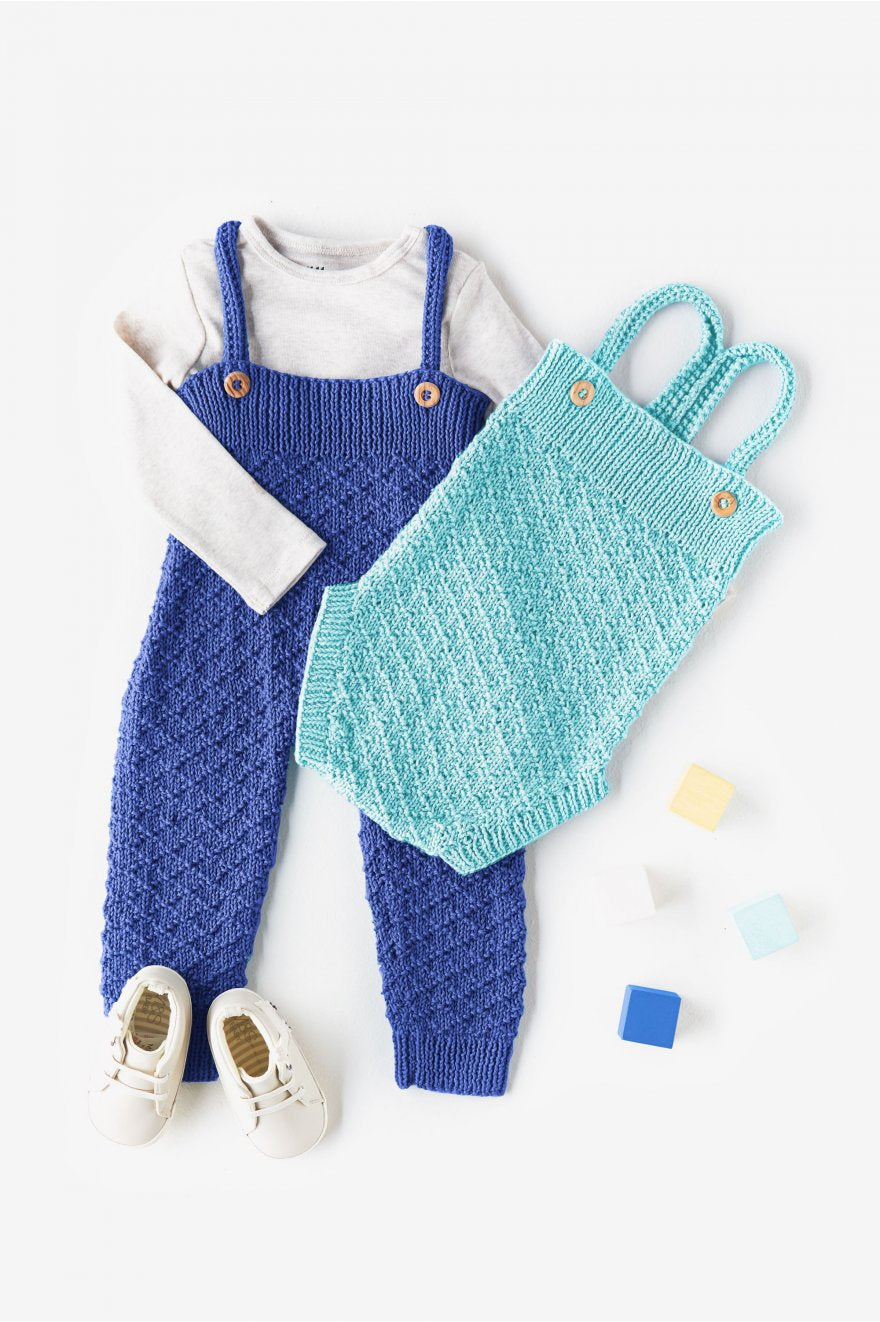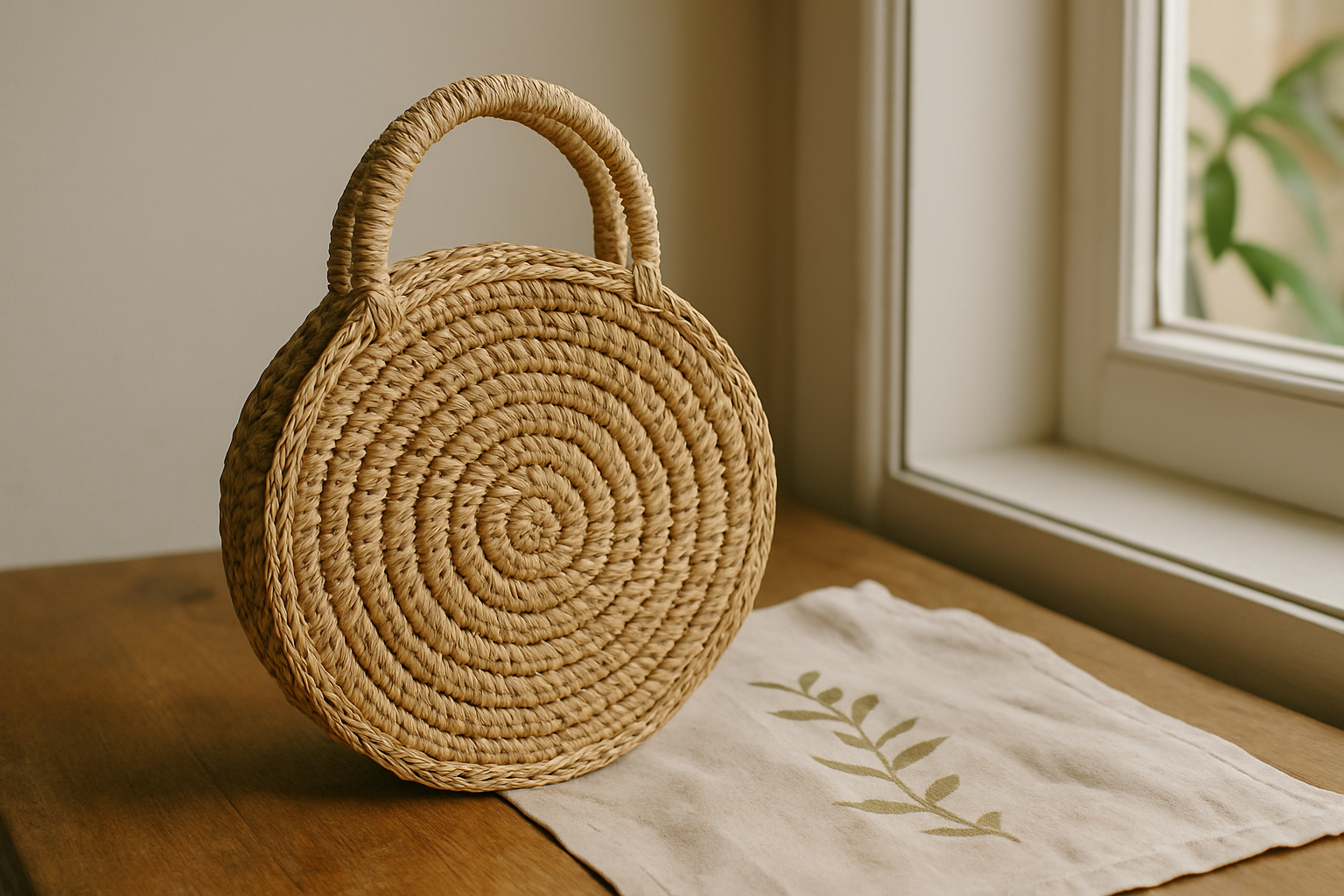
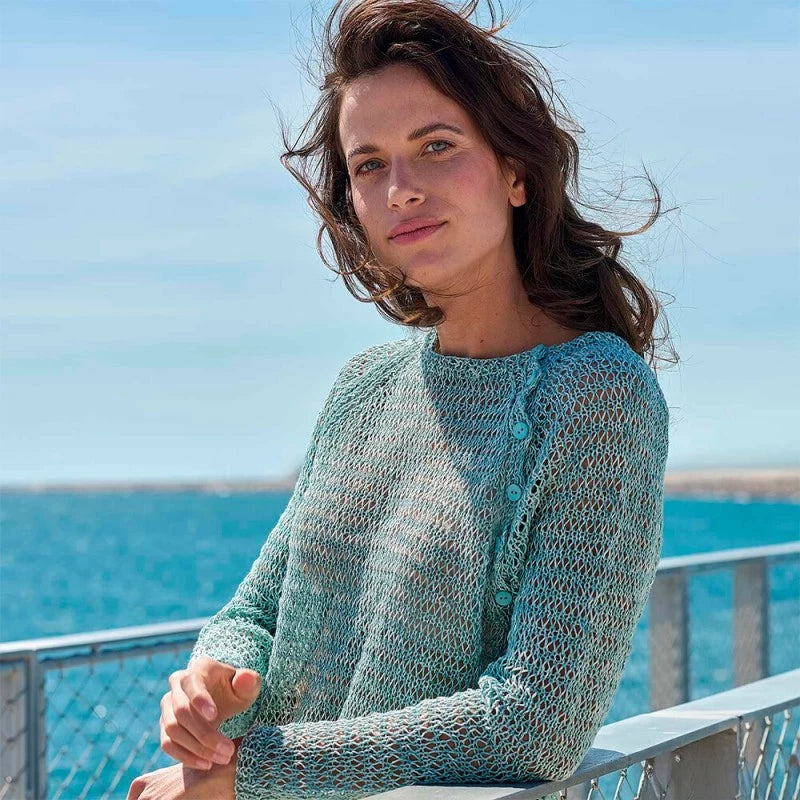
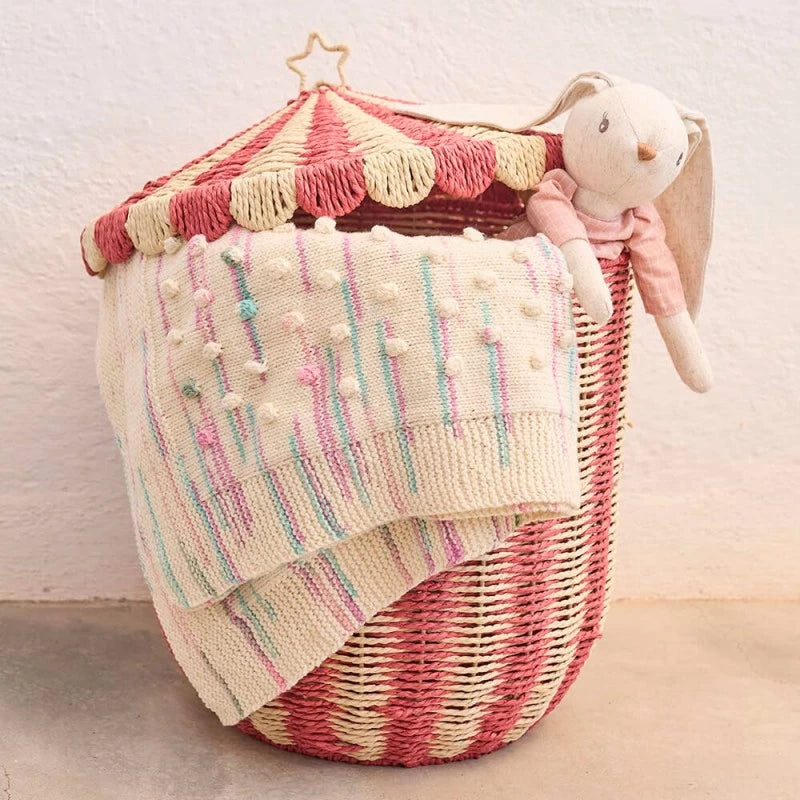
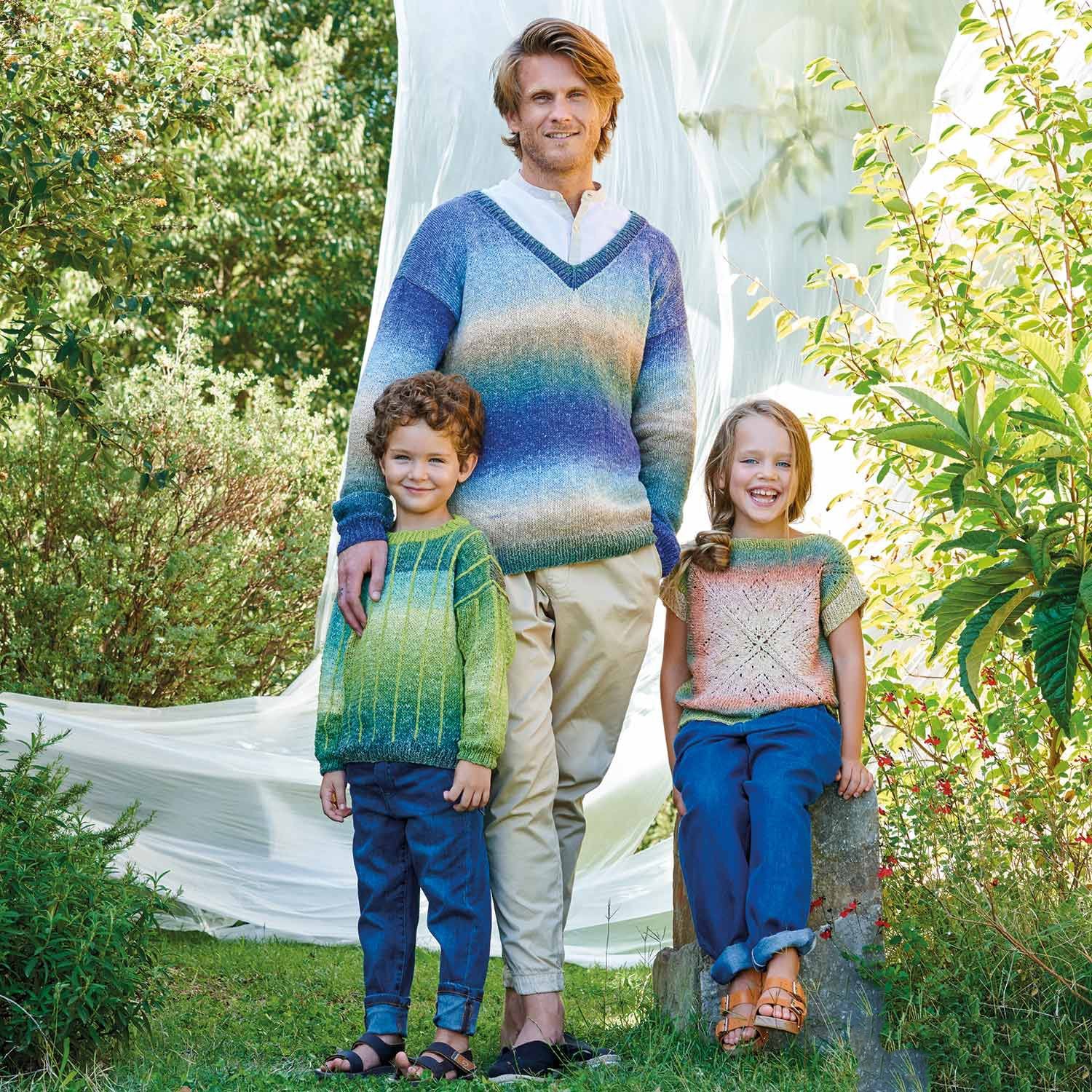
At Lanas Llamas , we love discovering new ways to get the most out of every skein. And when it comes to creativity, Katia Summer Tweed Degradé is one of those yarns that sparks the imagination from the very first moment. Its gradient effect and blend of cotton and viscose with tweed-like flecks make it an original and lightweight option for knitting stylish garments and accessories.
But what if we told you that you can take your projects to the next level by combining it with other yarns?
💡 Why combine wools?
The combination of different types of yarn allows:
-
Add visual depth to your fabrics.
-
Play with contrasts of texture and thickness .
-
Create totally unique pieces tailored to your style.
🎨 Yarns that go well with Katia Summer Tweed Degradé
Here are some ideas for mixes that work especially well:
🧶 1. Plain cottons like Katia Fair Cotton
To highlight the gradient effect of the Summer Tweed Degradé, it's best to combine it with a plain cotton in a neutral or contrasting tone. You can use it for borders, details, or solid sections within the same project.
🧶 2. Shiny or metallic threads
Looking for a more sophisticated or festive touch? A fine, shimmering yarn can add subtle sparkles to the gradient, ideal for shawls or evening tops.
🧶 3. Textured wools
Another interesting combination is to pair Summer Tweed Degradé with yarns that also have their own distinct character. Polynesia, for example, has an irregular yarn that adds dimension without competing with the gradient.
🧶 4. Very fine mohair or alpaca for layering
If you want to soften the contrast of the gradient or play with layers, you can knit with a super fine mohair on top (like Katia 50 Mohair Shades ), creating a kind of ethereal veil over the main fabric.
🧵 How to apply these combinations?
-
Alternating stripes .
-
Mixed pieces : for example, a shawl with a gradient body and a plain cotton border.
-
Color panels or blocks : perfect for garments such as sweaters or kimonos.
-
Decorative details : borders, pockets, straps, laces...
📌 Llama Wool Tip:
Before starting your project, make a sample combining the yarns you've chosen. This way you'll see how they behave together and whether you're happy with the final result.